Your Ultimate Guide to Setting Up Remote Patient Monitoring at Home: A Step-by-Step Approach
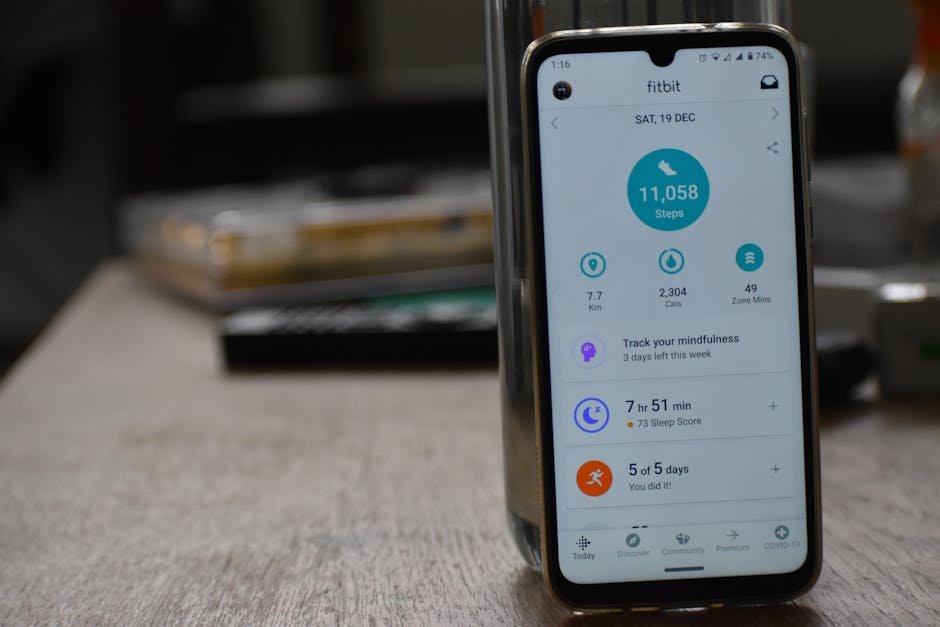
As the healthcare landscape evolves, remote patient monitoring (RPM) has emerged as a vital tool for managing chronic conditions and improving patient outcomes. The convenience of monitoring health from the comfort of home not only empowers patients but also enhances communication between healthcare providers and individuals. This guide will help you understand how to set up a remote patient monitoring system effectively, ensuring you can track health metrics like blood pressure, glucose levels, and heart rate conveniently and accurately.
RPM can be particularly beneficial for individuals managing chronic diseases such as diabetes, hypertension, or heart conditions. By utilizing technology, patients can provide real-time data to their healthcare providers, enabling timely interventions and personalized treatment plans. In this article, we will walk you through the essential steps to set up RPM at home, covering everything from choosing the right devices to understanding data privacy. Whether you are a patient or a caregiver, this guide will equip you with the knowledge needed to make informed decisions about your health monitoring journey.
1. Understanding Remote Patient Monitoring
Remote Patient Monitoring (RPM) refers to the use of technology to collect health data from patients in one location and electronically transmit that information to healthcare providers in a different location. This method facilitates continuous health assessment, enabling healthcare professionals to monitor patients outside of traditional clinical settings. RPM systems typically involve medical devices that measure vital signs, such as blood pressure monitors, glucose meters, and heart rate monitors, along with digital platforms for data analysis.
The primary goal of RPM is to enhance patient engagement and empower individuals to take control of their health. For example, a patient with diabetes may use a continuous glucose monitor that tracks their blood sugar levels throughout the day. This device sends data to their healthcare provider, who can then adjust medications or provide dietary recommendations based on real-time information. Understanding the principles of RPM is crucial for maximizing its benefits and ensuring effective communication with healthcare teams.
2. Choosing the Right Devices
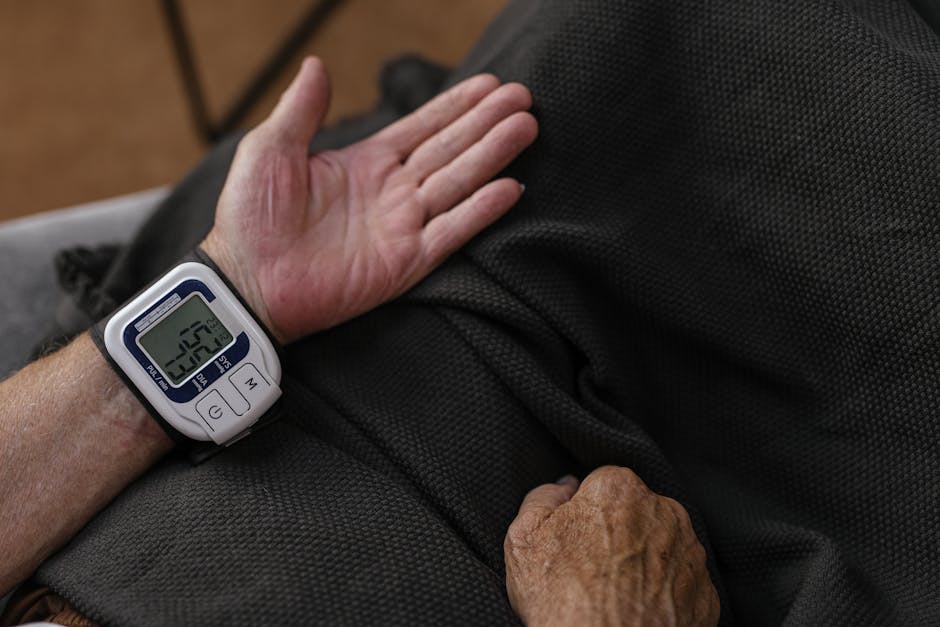
The selection of appropriate monitoring devices is critical for the success of your RPM setup. Various devices cater to different health conditions, and choosing the right ones can significantly impact the quality of data collected. For instance, if you or your loved one is managing hypertension, a reliable digital blood pressure monitor is essential. Look for devices that offer easy readability, accuracy, and the capability to store or transmit data electronically.

Similarly, individuals with diabetes should consider investing in continuous glucose monitors (CGMs) that provide real-time glucose readings. These devices often connect to smartphone apps, allowing for effortless tracking and sharing of data with healthcare providers. When selecting devices, prioritize those that are user-friendly and compatible with telehealth platforms. Reading product reviews and consulting with healthcare professionals can also help ensure that you are making informed choices tailored to your specific health needs.
3. Setting Up the Technology Infrastructure
Once you have chosen the appropriate devices, the next step is to establish a robust technological infrastructure that supports remote patient monitoring. This involves ensuring a reliable internet connection, as most RPM devices require Wi-Fi or cellular data to transmit information. It is essential to have a stable connection to avoid disruptions in data transfer, which could compromise patient monitoring and care.
In addition to internet connectivity, consider the software or applications that will be used to manage the data collected from your devices. Many RPM devices come with their own apps, but it may be beneficial to integrate them with broader health management platforms that allow for comprehensive data analysis. Ensure that these platforms are secure and comply with healthcare regulations, such as HIPAA, to protect patient privacy. A well-structured technological foundation is vital for seamless communication between patients and healthcare providers.
4. Engaging Patients in Their Health Monitoring
Patient engagement is a critical component of successful remote patient monitoring. For RPM to be effective, patients must understand the importance of their health data and be motivated to participate actively in monitoring their conditions. Educating patients about how their devices work and the significance of the data collected can enhance their commitment to the process.
One effective approach is to set specific health goals with the patient, such as maintaining a target blood pressure or glucose level. Regularly reviewing progress towards these goals during virtual check-ins can further encourage accountability. Additionally, providing feedback and positive reinforcement can help patients feel more connected to their health journey. When patients take ownership of their monitoring, the likelihood of achieving better health outcomes increases significantly.
5. Training Healthcare Providers
For remote patient monitoring to be successful, healthcare providers must be well-trained in using the RPM system and interpreting the data collected. This training should include familiarization with the monitoring devices, the software used to analyze data, and the communication protocols for engaging with patients. Providers should also be educated on how to identify trends and make timely interventions based on the data received.
Regular training sessions can help ensure that healthcare providers are comfortable with the technology and can effectively support their patients. In addition, establishing a streamlined communication process is essential. Providers should have a clear protocol for reaching out to patients when certain metrics fall outside of the established thresholds. By equipping healthcare teams with the necessary skills and tools, the quality of care delivered through RPM can be significantly enhanced.
6. Ensuring Data Privacy and Security
As with any technology that deals with personal health information, ensuring data privacy and security is paramount. Remote patient monitoring systems must comply with relevant healthcare regulations, such as HIPAA in the United States, to protect patient information. This means implementing strong encryption methods for data transmission and storage, as well as access controls to prevent unauthorized users from accessing sensitive information.
Patients should also be informed about how their data will be used, stored, and shared. Transparency in data handling fosters trust and encourages patients to remain engaged in their health monitoring. Additionally, healthcare providers should regularly review their data security practices and update them as necessary to address emerging threats. By prioritizing data security, healthcare organizations can create a safe environment for patients utilizing remote monitoring technologies.
7. Evaluating and Adjusting the RPM System
The final step in setting up a remote patient monitoring system is ongoing evaluation and adjustment. It is crucial to regularly assess the effectiveness of the RPM process, including the devices used, the technology infrastructure, and patient engagement. Collect feedback from both patients and healthcare providers to identify areas for improvement. For instance, if patients report difficulties in using their monitoring devices, consider providing additional training or support resources.
Additionally, healthcare providers should analyze the data collected to determine whether the RPM system is achieving its intended goals. Are patients experiencing improved health outcomes? Is there a reduction in hospital visits or emergency room admissions? By continuously monitoring the RPM system’s performance, you can make necessary adjustments to enhance its effectiveness and better serve patients’ needs.
Conclusion
Setting up remote patient monitoring at home is a transformative step towards better health management. By understanding the essentials of RPM, selecting the right devices, and establishing a supportive technological infrastructure, patients and healthcare providers can work together to improve health outcomes. Engaging patients, training healthcare providers, ensuring data privacy, and regularly evaluating the RPM system are all crucial components of this process. Embracing remote patient monitoring not only enhances patient care but also fosters a proactive approach to health management that can lead to lasting wellness.